Top Tips for Engaging Kids: Best Practices in Learning and Development
August 07, 2026
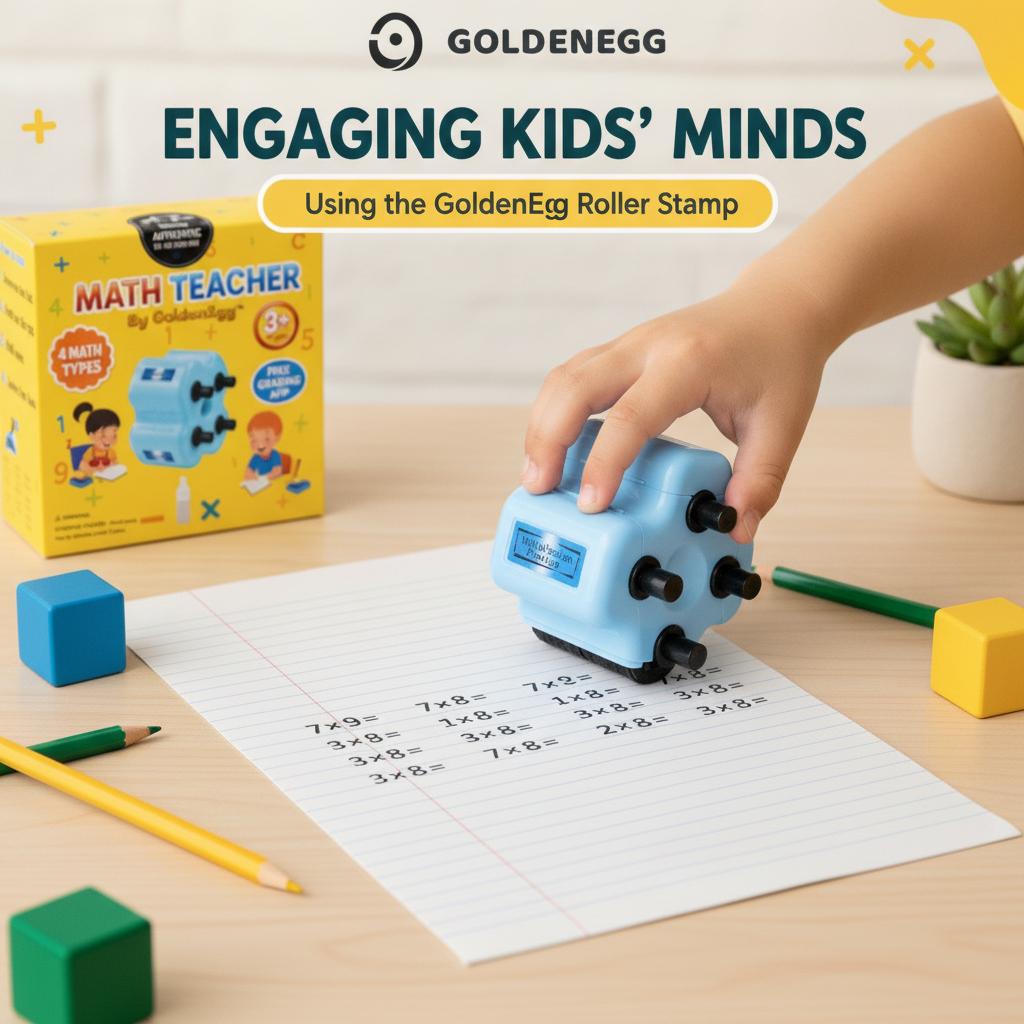
Keeping kids engaged and motivated in their learning journey is a continuous quest for parents and educators alike. In today's fast-paced world, understanding how to kids truly connect with educational content and foster a love for discovery is more important than ever. This involves going beyond traditional methods and exploring innovative ways to capture their attention and nurture their natural curiosity. Explore the GoldenEgg Math Teacher Roller Stamp to try it yourself.
Understanding What Makes the Best Kids Engaged
Every child is unique, but certain universal principles can help unlock their full potential. The best kids learning environments are those that are stimulating, supportive, and allow for active participation. It's not just about what they learn, but how they learn.
Core Principles of Child Engagement:
- Curiosity-Driven Learning: Children are natural explorers. Tap into their "why" questions and let their interests guide some of the learning.
- Hands-On Experiences: Abstract concepts become concrete through doing. Whether it's building, experimenting, or role-playing, active participation is key.
- Play-Based Learning: Play is a child's natural way of learning. Incorporate games, imaginative scenarios, and creative activities into their educational experiences.
- Personal Relevance: Help children see how what they're learning connects to their own lives and the world around them.
- Positive Reinforcement: Celebrate effort and progress, not just perfect outcomes. This builds confidence and resilience.
How to Kids Stay Motivated: Practical Strategies
The question of "how to kids maintain motivation over time?" is central to long-term learning success. It requires a blend of structure, freedom, and encouragement.
Actionable Strategies for Sustained Engagement:
- Create a "Yes" Environment: Within reasonable limits, say "yes" to their ideas and questions. This empowers them to take ownership of their learning.
- Offer Choices: Give children autonomy by allowing them to choose between two equally beneficial activities or topics. This fosters a sense of control.
- Incorporate Movement: Long periods of sitting can diminish engagement. Integrate physical activity, brain breaks, and active learning games.
- Use Technology Wisely: Educational apps, interactive websites, and documentaries can be powerful tools when used intentionally and in moderation.
- Read Aloud Regularly: This simple act boosts literacy, expands vocabulary, and opens up worlds of imagination, sparking further inquiry.
- Encourage Problem-Solving: Instead of immediately providing answers, guide children to discover solutions on their own. Ask open-ended questions like "What do you think will happen if...?"
- Connect with Nature: Outdoor play and exploration offer endless learning opportunities in science, math (e.g., counting leaves, measuring distances), and observation.
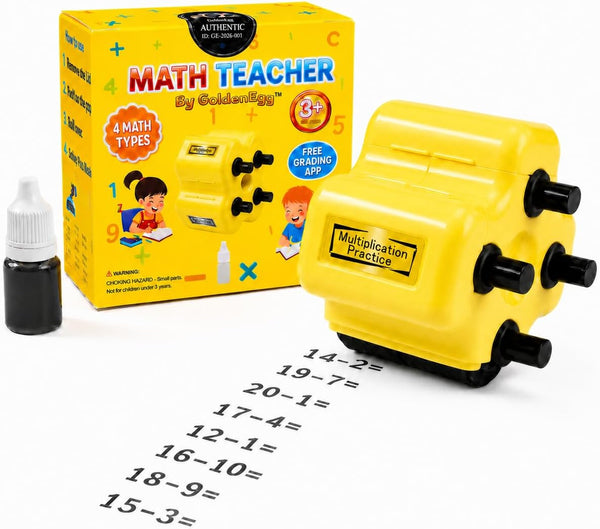
For subjects like math, interactive tools are particularly effective. The GOLDENEGG Math Learning Kit, for example, is designed to transform abstract mathematical concepts into engaging, hands-on activities that keep children excited about numbers and problem-solving.
Identifying the Best Kids Activities for Development
When selecting activities, think about those that promote holistic development – cognitive, social-emotional, and physical. The best kids activities are often those that are open-ended and allow for creativity and exploration.
Examples of Highly Engaging and Developmental Activities:
- Building Challenges: Using LEGOs, blocks, or even natural materials encourages spatial reasoning, planning, and creativity.
- Art and Craft Projects: Beyond just drawing, think about sculpting, painting, collages, or creating functional items.
- Science Experiments: Simple kitchen science or outdoor observations can spark a lifelong interest in STEM.
- Role-Playing and Dress-Up: Fosters social skills, empathy, language development, and imaginative thinking.
- Board Games and Puzzles: Excellent for critical thinking, strategy, patience, and social interaction.
- Cooking and Baking: Teaches practical life skills, measurement, fractions, and following instructions.
By consciously integrating these strategies and activities, you can foster an environment where kids are not just learning, but truly engaged, curious, and thriving. Understanding how to kids respond to different stimuli and providing the best kids experiences lays the groundwork for a successful and joyful learning journey.
Invest in your child's future by providing them with the best learning resources. Buy the GOLDENEGG Math Learning Kit on Amazon and watch their curiosity and skills grow: https://www.amazon.com/gp/product/B0FNRQJW7M?th=1