Homeschooling Made Easy: Strategies for Parents as Beginner Teachers
August 07, 2026
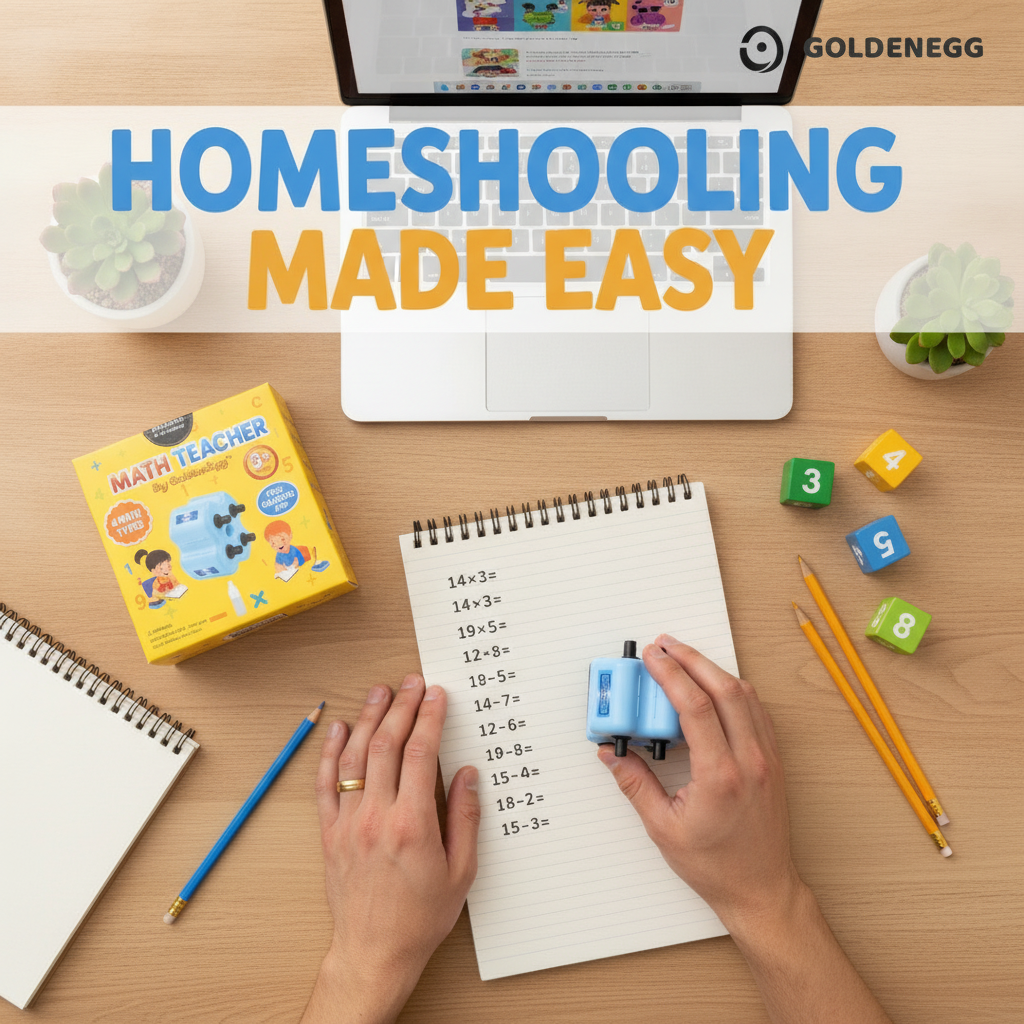
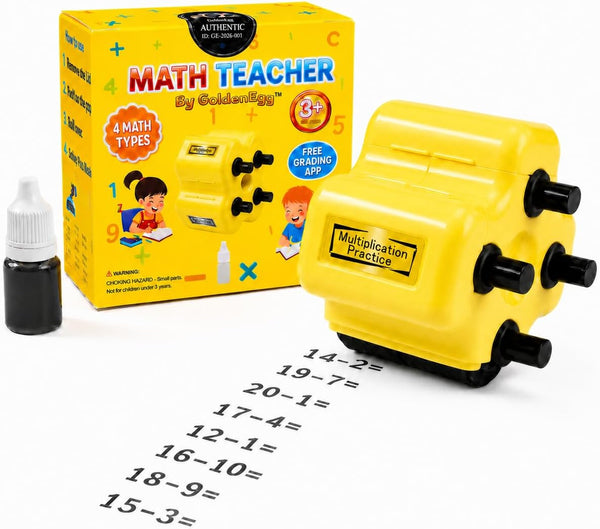
Embarking on a homeschool journey can feel both exciting and overwhelming. For many parents, the idea of becoming full-time educators for their children, essentially stepping into the role of teachers for beginners, brings unique challenges. However, with the right strategies and mindset, homeschooling can be an incredibly rewarding experience, fostering deep learning and strong family bonds. Explore the GoldenEgg Math Teacher Roller Stamp to try it yourself.
Getting Started with Homeschool: Foundations for Success
Before diving into lesson plans, it's essential to establish a clear vision for your homeschool. This involves understanding your child's learning style, setting realistic goals, and familiarizing yourself with local homeschooling regulations.
Key Steps for New Homeschooling Parents:
- Research Local Laws: Homeschooling regulations vary widely by state and country. Ensure you comply with all legal requirements, including registration, curriculum reporting, or standardized testing.
- Define Your Philosophy: What do you want your homeschool to look like? Will it be structured like a traditional classroom, or more relaxed and child-led? Understanding your approach will guide your curriculum choices.
- Identify Learning Styles: Observe how your child learns best. Are they visual, auditory, kinesthetic? Tailoring your teaching methods to their style will make learning more effective and enjoyable.
- Set Up a Learning Space: This doesn't have to be a dedicated classroom. It could be a cozy corner, a dining room table, or even a rotating "classroom" around the house. The key is to have a space where focus can be maintained.
How to Teach Kids in a Homeschool Environment
One of the biggest questions for parents new to homeschool is "how to kids teach effectively?" The good news is that you don't need a teaching degree to be a successful homeschool parent. What you need is patience, adaptability, and a willingness to learn alongside your child.
Practical Teaching Strategies for Homeschooling:
- Be Flexible: Unlike a traditional school day, you have the freedom to adjust your schedule. If a concept isn't clicking, take a break. If a topic sparks intense interest, dive deeper!
- Embrace Hands-On Learning: Many children, especially younger ones, learn best by doing. Incorporate experiments, art projects, field trips, and practical life skills into your lessons. For math, tangible tools like those in the GOLDENEGG Math Learning Kit are invaluable for making abstract concepts concrete.
- Utilize Diverse Resources: Don't feel tied to one curriculum. Mix and match textbooks, online courses, library books, educational videos, and real-world experiences.
- Encourage Independent Learning: As your children grow, guide them towards taking ownership of their education. Teach them research skills, time management, and critical thinking.
- Prioritize Relationships: The unique bond between parent and child can be a huge asset in homeschooling. Foster a supportive, encouraging atmosphere where mistakes are seen as learning opportunities.
- Find a Community: Connect with other homeschooling families. They can offer advice, support, and opportunities for your children to socialize and learn with peers.
Tips for Parents as Teachers for Beginners
Transitioning into the role of teachers for beginners for your own children requires a shift in perspective. You'll be wearing multiple hats – parent, teacher, and facilitator. Here’s how to manage it effectively:
- Don't Replicate School: Resist the urge to create a mini-classroom at home. Homeschooling offers unique advantages like personalized learning and flexibility.
- Manage Your Time: Plan your lessons, but also schedule time for household chores, personal appointments, and self-care.
- Know Your Limits: It's okay not to know everything. Model lifelong learning by researching topics you're unsure about alongside your child, or by seeking external resources like tutors or co-op classes.
- Celebrate Progress, Not Perfection: Focus on your child's growth and understanding rather than striving for an idealized academic standard.
- Take Breaks: Both you and your child will benefit from regular breaks, whether it's a short walk, a creative activity, or simply some quiet time.
Homeschool is a journey of continuous learning for everyone involved. By embracing effective strategies on how to teach kids, and by supporting parents in their role as teachers for beginners, you can create a vibrant and successful learning environment that truly meets your child's needs.
Enhance your homeschooling curriculum with interactive and effective learning tools. Buy the GOLDENEGG Math Learning Kit on Amazon and empower your child's education: https://www.amazon.com/gp/product/B0FNRQJW7M?th=1