My Child Hates Math Homework: 5 Things That Actually Helped
March 28, 2026
My Child Hates Math Homework: 5 Things That Actually Helped
If your child groans, cries, or flat-out refuses when it's time for math homework, you're not alone. Math anxiety is one of the most common academic struggles for kids ages 6 to 10, and it's often made worse by repetitive drills that feel like punishment.
We talked to parents and teachers about what actually works. Not theory. Not feel-good advice. Real strategies that changed the dynamic at home.
1. Make It Physical, Not Just Mental
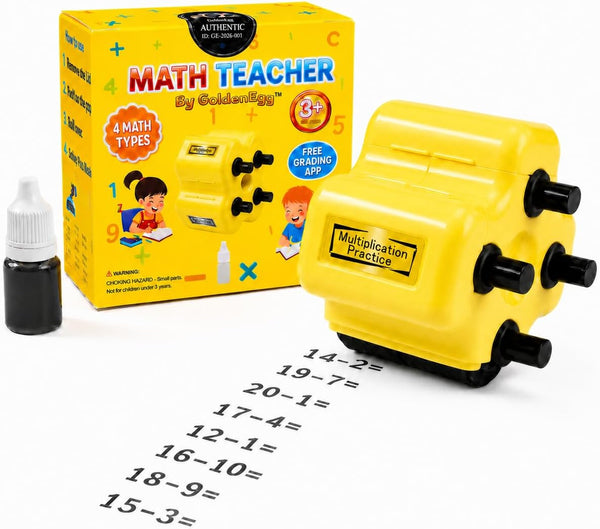
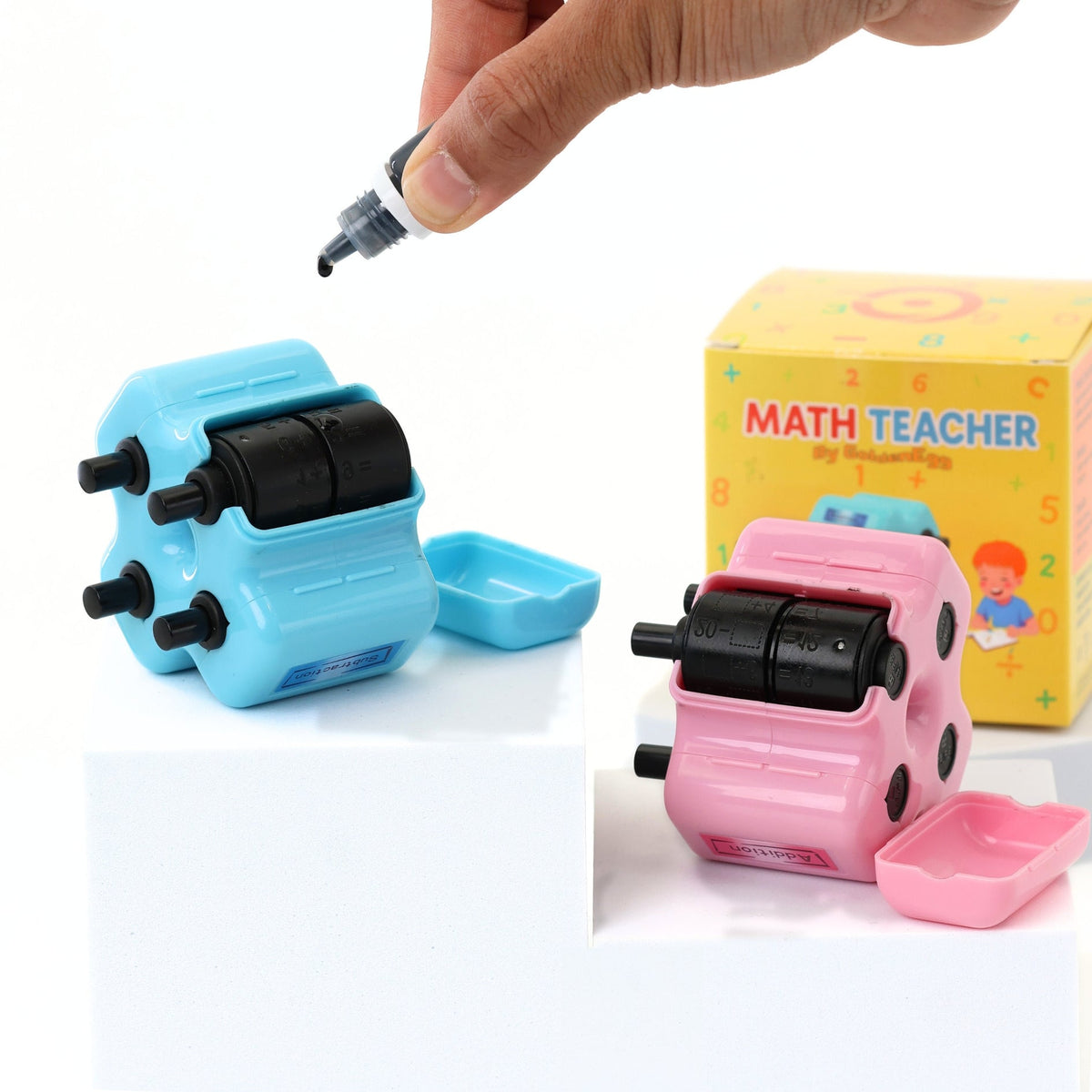
Kids learn better when they can touch, move, and interact with materials. That's why manipulatives (blocks, beads, counters) work so well for younger learners. For math practice specifically, tools like math roller stamps give kids a physical action (rolling) that produces instant results. The tactile element makes it feel less like homework and more like play.
Try this: Let your child roll out their own math problems using a stamp, then solve them. The act of creating the problems gives them ownership over the activity.
2. Keep Sessions Short
Research consistently shows that short, focused practice sessions are more effective than long ones. For kids ages 6 to 8, aim for 10 to 15 minutes. For ages 8 to 10, 15 to 20 minutes maximum. Anything longer and you're fighting attention spans, not building math skills.
Set a timer. When it goes off, practice is done. No negotiations. This removes the "will it ever end" anxiety that many kids feel.
3. Celebrate Effort, Not Accuracy
If your child gets 7 out of 10 problems right, focus on the 7, not the 3. Many kids develop math anxiety because they feel like anything less than perfect is failure. Praise the work, not the result. Say "you stayed focused for the whole page" instead of "you got 3 wrong."
Over time, accuracy naturally improves as confidence builds. But confidence has to come first.
4. Let Them Choose When and Where
Giving kids a small amount of control over their practice makes a big difference. Let them pick the time (right after school? after a snack? before dinner?) and the spot (kitchen table? floor? outside?). This small sense of autonomy reduces resistance.
5. Change the Tool, Not Just the Approach
If worksheets aren't working, don't force them. Try a different tool entirely. Math roller stamps, flashcard games, dice games, or even cooking together (measuring ingredients is math) can all reinforce the same skills without the worksheet format that many kids associate with stress.
The GoldenEgg Math Teacher 4-in-1 Roller Stamp is a popular choice for parents making this switch. It covers addition, subtraction, multiplication, and fill-in-the-blank in one tool, and kids can use it independently. Many parents report that their children go from resisting math practice to asking to use the stamp.
The Takeaway
Math homework doesn't have to be a daily battle. Keep it short, make it physical, focus on effort, give your child some control, and don't be afraid to try a completely different tool. Small changes in how math practice happens at home can make a huge difference in how your child feels about math for years to come.
Explore the GoldenEgg Math Teacher Stamp